Ultralight 2-Person Tent + Mat: Waterproof Double-Layer 15D
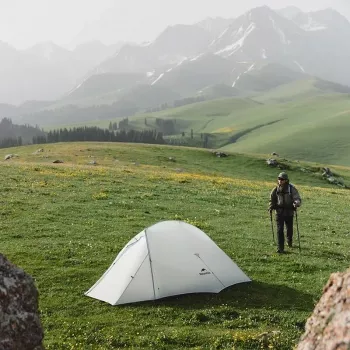
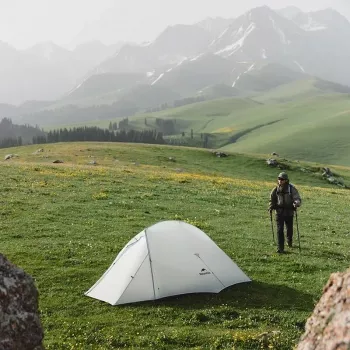
Ultralight 2 Person Backpacking Tent with Mat: Waterproof Double-Layer 15D Shelter for Fast, Light Trips
For backpackers trying to keep pack weight low without giving up storm protection, an ultralight double-layer tent can be the sweet spot. The right design balances fabric choices, waterproofing, condensation control, and enough real-world room for two sleepers—plus the added convenience of a bundled sleeping mat that helps complete a dialed sleep system for weekend hikes, thru-hikes, and minimalist overnights.
What “ultralight” should mean for a 2-person tent
“Ultralight” is more than a marketing label—it’s the point where you’re saving weight without trading away the basics that keep nights comfortable and safe.
- Packed weight vs. usable comfort: A true ultralight setup still needs functional floor space, workable headroom, and a rainfly that stays secure under wind and rain.
- Realistic “2-person” capacity: Two standard-width sleeping pads should fit without pressing hard against sidewalls, which matters most when wet fabric can transfer moisture to sleeping bags.
- Trail efficiency: Faster pitch and simpler stake-out reduces the time spent exposed when weather hits at camp.
- Packability: Smaller packed size makes loading easier, whether you’re fitting the shelter inside your pack or freeing room for food and insulation on longer routes.
Double-layer design: better rain performance and better mornings
Double-layer tents use an inner body plus an outer rainfly—adding a small weight penalty compared with single-wall shelters, but often paying it back in comfort.
- Rain protection: The fly takes the hit from rainfall and wind; the inner layer adds separation so occasional drips or splashback are less likely to reach sleepers.
- Condensation management: Condensation happens when warm, moist air meets cold fabric. With a double layer, moisture on the fly is less likely to contact sleeping bags and clothing.
- Ventilation choices: When conditions allow, partial fly roll-back can boost airflow while maintaining privacy and basic coverage.
- Bug season readiness: Mesh panels (or high-breathability inner fabric) help keep insects out while still letting the tent breathe.
For a deeper look at why condensation forms and how to reduce it, see Backpacking Light’s resources on condensation in tents.
15D fabric basics: why denier matters—and what it doesn’t tell you
Denier (D) refers to yarn thickness. A 15D tent fabric is commonly used for weight savings, but denier alone doesn’t decide whether a shelter feels dependable.
- Denier is only one piece: Durability also depends on weave quality, coatings, reinforcement at stress points, and how the tent is cut and tensioned.
- Coatings and seams are critical: Waterproof performance comes as much from treatments and seam construction as from the base fabric.
- Care expectations: Lighter fabrics reward careful campsite selection (avoid sharp rock, thorns, abrasive sand) and can benefit from an optional groundsheet when conditions are rough.
- Best use cases: Fast-and-light trips, summer and shoulder-season routes, and hikers prioritizing low carry weight over expedition-level abrasion resistance.
Waterproofing that holds up: fly, floor, and the small details
A tent can look weather-ready until the first long, soaking rain. The difference often comes down to construction details and how well the shelter stays tensioned.
For practical maintenance habits that protect waterproof coatings and seam tape over time, REI’s tent care, maintenance, and repair guidance is a strong reference.
Space and livability for two: comfort factors that show up at 2 a.m.
Quick checklist for evaluating an ultralight 2-person double-layer tent
| Feature | Why it matters on trail | What to look for |
|---|---|---|
| Double-layer setup | Reduces condensation contact and improves weather comfort | Gap between fly and inner; adjustable ventilation |
| Waterproof fly and floor | Prevents seep-through in prolonged rain or wet ground | Dependable coatings; solid corner construction; protected seams |
| Pitch simplicity | Less time exposed to wind/rain; fewer setup errors | Clear attachment points; stable structure when fully staked |
| Interior width for two pads | Avoids wall contact that can wet bags and reduces cramped sleep | Floor space that accommodates two standard pads |
| Vestibule/gear space | Keeps wet gear outside sleeping area but under cover | Usable covered area; rain-shedding shape |
| Fabric care needs (15D class) | Protects an ultralight investment from punctures/tears | Thoughtful campsite selection; optional groundsheet |
Bundled mat: when a tent + mat combo makes sense
Best trip types for an ultralight waterproof double-layer 2-person tent
Strong site selection also protects lightweight floors and improves drainage. For general backcountry setup fundamentals, explore NOLS’s backcountry camping resources.
Care, packing, and field tips to extend ultralight fabric life
Featured gear (in stock)
- Ultralight 2 Person Backpacking Tent with Mat, Waterproof Double Layer 15D Fabric ($233.51)
- Waterproof Anti-Theft Laptop Backpack with USB Charging Port – Fits 15.6″ Laptop ($72.51)
FAQ
Is a double-layer tent warmer than a single-wall tent?
It can feel slightly less drafty because the fly blocks wind and the inner adds separation, but most “warmth” comes from your sleeping bag/quilt, pad insulation, and how well the pitch blocks wind. The bigger benefit is typically reduced condensation contact.
How waterproof is “waterproof” for backpacking tents?
Waterproof performance depends on fabric coatings, seam construction, and a correct pitch that keeps the fly tensioned and shedding water. Floors matter just as much as rainflies, and avoiding contact with wet walls helps prevent moisture transfer.
Will a 15D tent fabric tear easily?
15D prioritizes low weight, so it benefits from mindful use rather than being treated like heavy expedition fabric. With smart campsite selection, correct tensioning, and an optional groundsheet on rough terrain, it can hold up well for fast-and-light trips.














Leave a comment