Sonic Toothbrush Downsides: Cost, Comfort & Noise
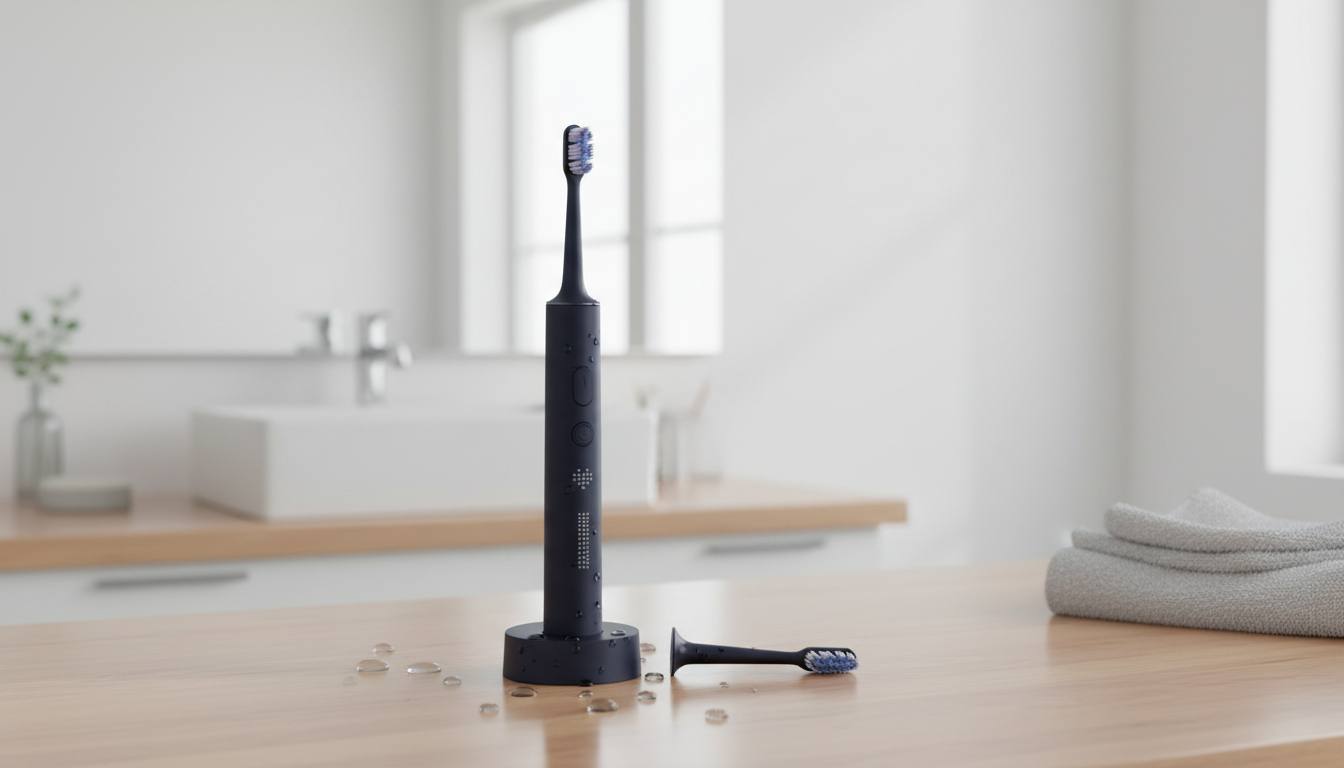
What is the downside of a sonic toothbrush?
A sonic toothbrush can be an excellent upgrade for plaque removal, but it isn’t perfect for everyone. The most common downsides involve comfort, cost, and the learning curve that comes with a brush that moves far faster than a manual toothbrush.
Potential downsides to consider
It can feel too intense at first
The high-frequency vibrations may feel ticklish or overwhelming, especially if switching from a manual brush. Some people also experience temporary gum sensitivity as they adjust to the new brushing sensation and pressure.
Overbrushing can irritate gums
Sonic brushes do a lot of work with light pressure. If the brush is pressed hard against teeth and gums, it can contribute to irritation over time. Using a softer head and letting the bristles glide—rather than scrub—helps reduce this risk.
Higher upfront and ongoing costs
Sonic toothbrushes typically cost more than manual brushes, and replacement heads add recurring expense. If specialized heads are needed (sensitive, orthodontic, gum care), the total cost can increase further.
Battery and reliability issues
Rechargeable models need charging and can lose battery capacity over the years. Water exposure, travel wear, or accidental drops can also shorten the lifespan compared to a simple manual toothbrush.
Noise and travel convenience
Sonic brushes are louder than manual brushing and can be awkward for light sleepers or shared bathrooms. Traveling may require a charger or case, and forgetting either can leave the brush unusable mid-trip.
For a deeper breakdown of drawbacks and ways to minimize them, see the full guide here: https://spiritine.com/what-is-the-downside-of-a-sonic-toothbrush/.
For Sonic Toothbrush Downsides: Cost, Comfort & Noise, the best answer depends on fit, material, care instructions, and how the product will be used day to day.
Checking those details first helps avoid a poor match and keeps the choice practical after delivery.
FAQ
Can a sonic toothbrush damage your enamel?
Used correctly, a sonic toothbrush is unlikely to damage enamel. Problems are more often linked to pressing too hard, using an overly abrasive toothpaste, or brushing too long.














Leave a comment