Large Enclosed Cat Litter Box with Deodorizer & Easy Clean
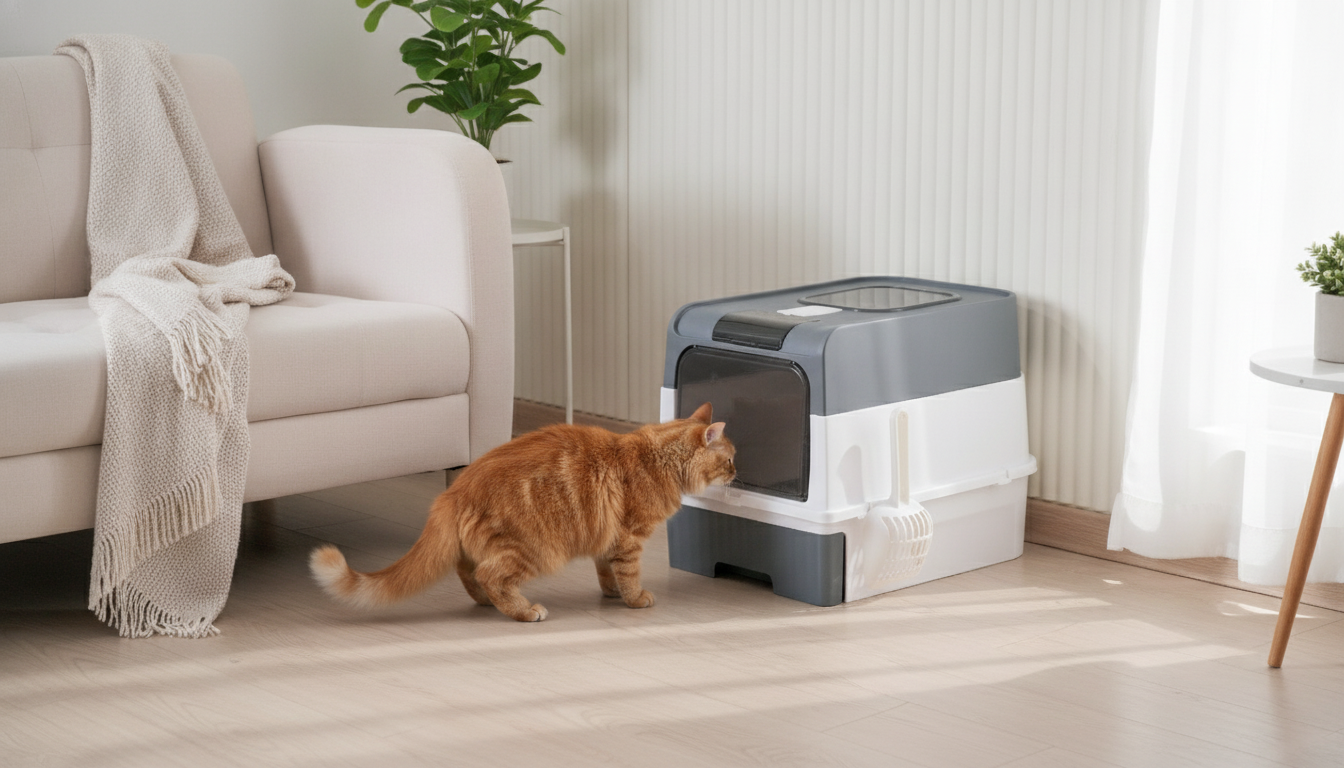
Large-Capacity Fully Enclosed Cat Litter Box with Deodorizing Control: A Cleaner, Calmer Setup
A fully enclosed litter box with odor control can make shared living spaces feel fresher while giving cats more privacy. The right setup depends on a few practical factors—capacity, enclosure style, deodorizing features, tracking control, and easy cleaning—so the box stays comfortable for cats and manageable for people.
Why fully enclosed designs help in busy homes
Open pans work, but they also invite litter scatter and make smells more noticeable in smaller homes. Fully enclosed litter boxes are designed to keep the “mess zone” contained.
- Reduces visible litter scatter by keeping digging and kicking inside the enclosure
- Helps contain odors by limiting airflow from the litter area into the room
- Adds privacy for cats that prefer a more sheltered bathroom spot
- Can lower stress for multi-pet homes when placed in a quiet, low-traffic corner
- Often looks tidier than open pans, which can matter in apartments and small spaces
For general guidance on cat care and comfort at home, the American Veterinary Medical Association (AVMA) offers helpful pet-owner resources.
Capacity: choosing the right size for one cat or multiple cats
“Large capacity” shouldn’t only mean “taller.” What matters most is usable interior floor space—your cat should be able to enter, turn around, and dig without constantly bumping walls. Bigger cats and long-haired breeds tend to do better with roomier interiors, and extra space can also reduce messy “edge peeing” caused by cramped positioning.
- Large-capacity boxes offer more room to turn around, which is especially helpful for bigger cats and long-haired breeds
- More internal volume can extend time between full litter changes (still scoop daily)
- For multi-cat households, a larger box can reduce crowding and accidents, but additional boxes are still recommended
- Check doorway width and placement area before buying; the benefit of capacity can be lost if the box must be wedged into a tight spot
Quick capacity fit check
| Household situation | What to prioritize | Common mistake to avoid |
|---|---|---|
| One average-size adult cat | Enough room to turn and dig without touching walls | Choosing a box that’s tall but cramped on the floor area |
| Large cat or long-haired cat | Wide interior and a low-effort entry/exit | Entry that forces crouching or rubs fur against edges |
| Two cats sharing sometimes | Extra floor space and easy daily scooping access | Relying on one box as the only option |
| Senior cat | Stable footing, easy entry, room to reposition | High threshold that discourages use |
Deodorizing control: what actually makes a difference
Enclosure helps, but odor control is ultimately a system: litter performance, cleaning routine, airflow, and placement. A box that seals too tightly can trap odors inside—making the “open door moment” unpleasant—so the best designs strike a balance between containment and ventilation.
- A tighter enclosure can slow odor spread, but it needs ventilation balance so smells don’t intensify inside the box
- Deodorizing elements work best when paired with consistent scooping and periodic deep cleaning
- Litter choice matters: clumping litter and low-dust formulas can improve odor control and keep surfaces cleaner
- Place the box away from humidity sources (like near showers or laundry) to reduce odor buildup
If a cat starts avoiding the box, odor and cleanliness are common contributors—along with stress and medical issues. The Cornell Feline Health Center provides a solid overview of house-soiling causes and why litter box setup matters.
Tracking and scatter: keeping floors cleaner
Even with an enclosed structure, some tracking is normal because litter can cling to paws and fur. The goal is to control where granules land so cleanup stays quick.
- An enclosed structure reduces side-throw, but tracking can still happen on paws
- Use a litter mat outside the entry to catch granules before they spread through the home
- Keep litter depth consistent; too much litter can increase kick-out and cling to paws
- Vacuuming around the box is easier when the entry area is predictable and unobstructed
For more day-to-day litter tray management tips, International Cat Care offers practical recommendations on cleanliness and tray setup.
Cleaning routine that keeps odors down (without overwork)
Helping a cat transition to a fully enclosed box
Product spotlight: Large Capacity Fully Enclosed Cat Litter Box Deodorant
If a roomier interior and better odor containment are top priorities, the Large Capacity Fully Enclosed Cat Litter Box Deodorant is built around those goals. Pair it with daily scooping, a litter mat at the entrance, and a predictable deep-clean schedule to keep the surrounding area noticeably fresher.
At-a-glance details
| Item | Details |
|---|---|
| Name | Large Capacity Fully Enclosed Cat Litter Box Deodorant |
| Price | 127.01 USD |
| Availability | In stock |
| Product page | View product |
More in-store picks (handy for small-space living)
- Waterproof Anti-Theft Laptop Backpack with USB Charging Port – Fits 15.6″ Laptop
- Your Daily Outfit Shortcut: Time-Saving Outfit Combinations for Effortless Style
- Creative Writing Exercises eBook | Creative Writing Exercises for Writers, Storytelling Prompts, Character & Plot Development Guide
FAQ
Do fully enclosed litter boxes reduce odor better than open pans?
They can help by containing smells and slowing how quickly odors spread into the room, but results still depend on daily scooping, a good litter choice, balanced ventilation, and regular deep cleaning.
Will a fully enclosed litter box work for a large cat?
Yes, as long as the interior floor area allows comfortable turning and digging. Check the entry size and watch for hesitation or avoidance, which can signal the box feels tight or awkward to use.
How often should a deodorizing enclosed litter box be cleaned?
Scoop daily (twice daily helps in warm or small spaces), top off litter as needed, and deep clean every 2–4 weeks depending on your cats and conditions. If the box includes deodorizing components, replace them on schedule.
















Leave a comment