Quality vs Hype Clothing: The 60-Second Check
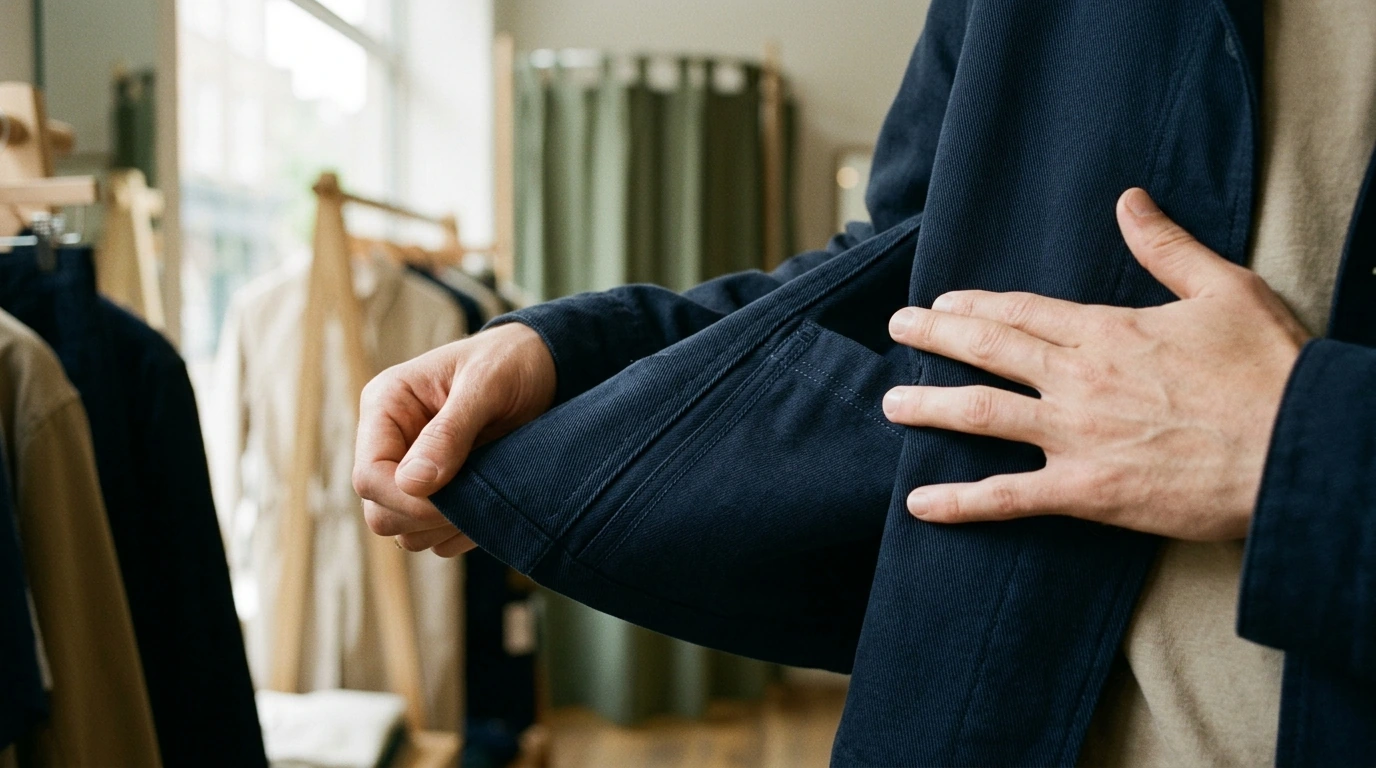
Spotting Style That Lasts: A Clear Way to Tell Quality Pieces from Pure Hype
Trends move fast, but a good wardrobe doesn’t have to. The difference between a closet that feels effortless and one that constantly needs replacing usually comes down to a few practical checks: fabric, construction, fit, and how a piece behaves after real wear. Our team uses a simple, repeatable method to spot clothing with staying power—and skip pieces built for attention rather than longevity.
The 60-Second Quality Scan (Before Trying Anything On)
If you only have a minute in-store (or while unboxing), run this quick scan. You’ll catch most “looks good today, falls apart tomorrow” issues before you commit.
- Start with touch and density: fabrics that feel substantial for their category (not stiff, not flimsy) usually drape better and hold up longer.
- Look for surface clues: pilling in-store, fuzzy halos, or an overly shiny synthetic finish can signal a shorter lifespan (not always, but it’s a flag).
- Check symmetry: collars, pockets, and plackets should line up. Off-center details often mean rushed cutting or weak quality control.
- Flip it inside out when possible: clean seam finishes and consistent stitching typically mean the piece was built with care—not just styled for a photo.
Quick Checks That Separate Long-Wear Pieces from Flash Purchases
| What to check | Quality signals | Hype signals | Why it matters |
|---|---|---|---|
| Fabric hand-feel | Dense, smooth, resilient; recovers after scrunching | Paper-thin, scratchy, plasticky shine | Better recovery means less stretching, sagging, and early wear |
| Stitching lines | Even stitch length; no skipped stitches | Wavy seams; loose threads everywhere | Uneven stitching weakens seams and distorts fit |
| Seams & finishing | Neat seam allowances; clean edges; reinforced stress points | Raw/rough edges; messy overlock; no reinforcement | Finishing determines how well a garment survives washing and movement |
| Hardware | Smooth zippers; secure buttons; tight rivets | Sticky zips; flimsy snaps; wobbling buttons | Hardware failures are a top reason “new” clothes become unwearable |
| Pattern alignment | Stripes/plaids line up at key seams | Noticeable mismatch at side seams or pockets | Alignment indicates careful cutting and a more polished look |
Fabric Reality: What Lasting Materials Usually Have in Common
Fiber content matters, but it’s not the whole story. The same “100% cotton” label can describe a sturdy twill or a thin knit that bags out by lunch.
- Natural fibers can age beautifully—when the weave/knit is solid: cotton, wool, linen, silk, and quality denim tend to reward repeat wear.
- Blends aren’t automatically bad: a small percentage of elastane can improve comfort and recovery; what matters is whether the fabric returns to shape after stretching.
- Watch for feel-good labels that don’t guarantee durability: the fiber name alone doesn’t confirm weight, tightness, or finishing.
- Use a “handling test” mindset: if it wrinkles, stretches out, or pills easily with a quick pinch-and-scrunch, expect that behavior to multiply after washes.
For help decoding fiber content and care labeling basics, you can reference the Federal Trade Commission (FTC). If you like the bigger-picture side of materials and transparency, Fashion Revolution and Good On You are solid resources.
Construction Details That Make Clothing Keep Its Shape
Great construction isn’t loud, but you feel it every time you move. These details reduce stress where garments usually fail.
- Seam placement: well-placed side seams, darts, and yokes help pieces sit correctly and reduce strain in high-motion areas.
- Reinforced stress points: pocket corners, crotch seams, and underarms hold up better with bar-tacks, clean backstitching, or thoughtful reinforcement.
- Lining and interfacing: structured collars, lapels, waistbands, and button plackets keep their shape longer when properly supported.
- Hems tell the truth: straight, even hems prevent twisting and help a piece stay polished after repeated wear.
Cost-Per-Wear Thinking (A Better Test Than the Price Tag)
A hype item can have high attention value but a low wear count. A quality staple can look understated yet quietly become your weekly go-to. Instead of asking “Is it expensive?” ask “Will I actually wear it?”
If you want a structured way to apply these checks while shopping, our team put together Spotting Style That Lasts: Your Ultimate Guide to Quality vs Hype Clothing Items.
The Hype Traps That Waste Money (And What to Do Instead)
Build a Small “Forever Core” Wardrobe (Then Add Trend on Purpose)
For faster “grab-and-go” planning that still feels intentional, you can use Your Daily Outfit Shortcut: Time-Saving Outfit Combinations for Effortless Style to build repeatable combinations from what you already wear most.
And since what you carry daily gets the same wear-and-tear test as your clothes, a durable staple like our Waterproof Anti-Theft Laptop Backpack with USB Charging Port – Fits 15.6″ Laptop fits the same “buy once, use often” mindset.
FAQ
How can quality be judged quickly without memorizing fabric terms?
Use a short routine: touch for density and recovery, inspect stitching and seam neatness, test hardware, and check alignment at collars, pockets, and plackets. These signals are consistent across brands and don’t require technical vocabulary.
Are higher prices a reliable sign of better clothing?
No—price can reflect branding and marketing as much as materials. Compare fabric feel, stitching consistency, seam finishing, and hardware function, then choose the piece you’ll wear more often for a better cost-per-wear outcome.
What’s the easiest way to avoid hype purchases that never get worn?
Run the 3-outfits/2-seasons/laundry-reality test before you buy. Build a small core wardrobe first, then add trend pieces in controlled doses so your closet stays wearable instead of crowded.












Leave a comment