AI Outfit Suggestions Made Easy: Smart Style Checklist
AI Tools for Effortless Daily Outfit Suggestions: A Smart Style Checklist That Makes Getting Dressed Simple
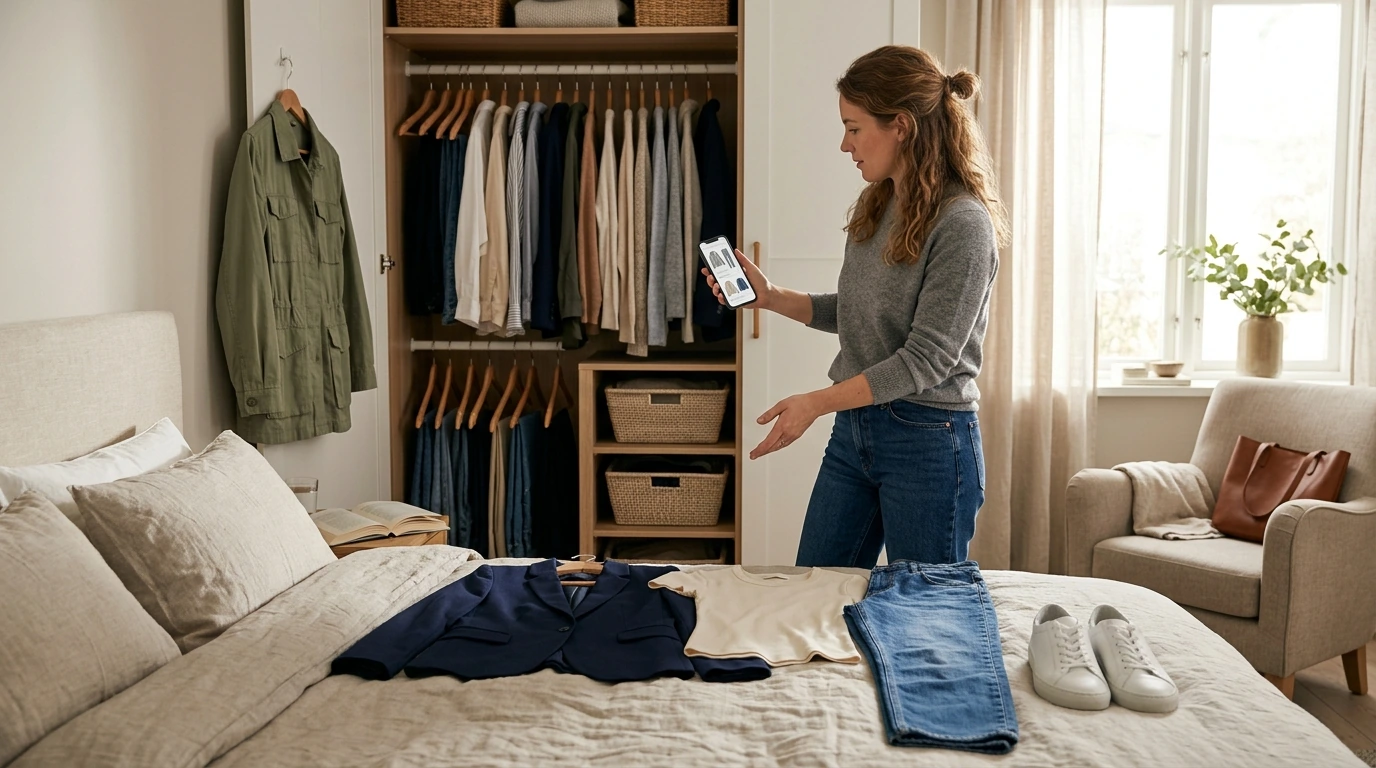
Getting dressed shouldn’t feel like a daily project. The goal is a repeatable, low-effort routine that still looks intentional—whether your day is meetings, errands, travel, or a last-minute dinner. Our team uses AI tools for effortless daily outfit suggestions alongside a smart style checklist, so outfit decisions become quick, consistent, and easy to personalize.
If you’ve ever stood in front of your closet and felt strangely stuck, you’re not alone. Decision fatigue is real, and it shows up in small daily choices too (Harvard Business Review explores how decision makers can make worse calls when overloaded: https://hbr.org/2006/11/why-good-leaders-make-bad-decisions). The fix isn’t “more clothes”—it’s better inputs and a simpler system.
What “effortless” outfits actually require
Effortless style looks spontaneous, but it’s usually built on a few practical foundations:
- Go-to outfit formulas (not endless unique looks). A formula is a repeatable shape: “straight-leg denim + fitted tee + blazer + clean sneakers.”
- Clear constraints: weather, comfort, dress code, and what’s actually clean and available today.
- A personal style baseline (colors, silhouettes, shoe preference) so suggestions feel like “you,” not a random outfit generator.
- A feedback loop: save what worked, edit what didn’t, repeat next week.
- Real wardrobe + real schedule: AI is most helpful when it’s working with what you truly wear and what your day truly requires.
For weather inputs that keep outfits realistic, you can pull a quick forecast from NOAA before you choose: https://www.weather.gov/.
Set up a smart style checklist in 10 minutes
This is the part that makes daily outfit suggestions feel accurate instead of generic. Set a timer and keep it simple:
- Pick 2–3 everyday style words (examples: polished, relaxed, minimal; sporty, clean, modern; classic, feminine, bright).
- Define default comfort rules: preferred rise/fit, sleeve length, shoe type, and what you avoid.
- Create a quick color map: 2 neutrals you love, 2 accents you reach for, and 1 “special” color for variety.
- List your common day types: work day, casual day, gym + errands, date night, travel day.
- Note real constraints: commute, office temperature, walking time, layering needs, bag needs.
- Inventory only what you wear: start with tops, bottoms, outerwear, shoes (accessories optional).
Stress tends to shrink patience and mental bandwidth, which is exactly why a checklist helps you stay consistent on busy weeks (American Psychological Association overview: https://www.apa.org/topics/stress).
How to use AI tools to create daily outfit suggestions that fit real life
You’ll get better results when you give structured inputs instead of broad requests. The fastest method is to paste a small wardrobe list (10–25 items you truly wear), then add the day’s context:
- Include the essentials: weather, occasion, comfort rules, and your mini wardrobe list.
- Ask for 3 options: one safe, one slightly elevated, one more expressive—so you can match your mood.
- Request complete outfits (shoes + outerwear included), not just tops-and-bottoms pairings.
- Add a “confidence check”: ask for anything that might look off (proportions, formality mismatch, color clash).
- Save winners as formulas you can repeat with small swaps.
- Keep it reusable: copy/paste one template each morning and swap only weather and occasion.
Outfit-prompt templates that consistently produce good options
These templates keep outfit suggestions grounded in your actual life:
Smart Style Checklist: Daily Inputs That Make AI Outfit Suggestions Better (Copy/Paste)
| Checklist item | What to enter | Why it helps | Example |
|---|---|---|---|
| Weather + temperature range | High/low + wind/rain/snow | Prevents impractical picks | “52–65°F, windy, possible rain” |
| Day type | Work / casual / event / travel / gym+errands | Controls formality and structure | “Client meetings + coffee after” |
| Comfort rules | Shoes, waistbands, fabrics, layering | Makes outfits wearable, not just cute | “No heels, breathable layers” |
| Hero item (optional) | One item you want to wear | Builds confidence and reduces choices | “Tan trench coat” |
| Color lane | Neutrals + 1 accent | Improves cohesion fast | “Black/white + burgundy” |
| Practical needs | Pockets, bag size, walking time | Avoids last-minute outfit changes | “Need to carry laptop + walk 25 minutes” |
A weekly reset routine that keeps suggestions consistent
When outfit suggestions still feel “not like me”
Two simple ways to start today (without overhauling your closet)
Tools from our store that make this easier
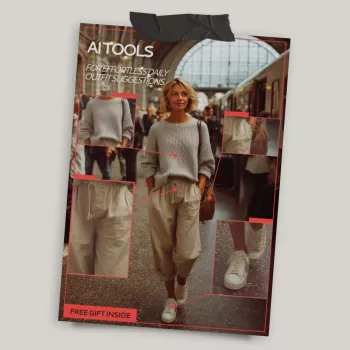
- AI Tools for Effortless Daily Outfit Suggestions – Smart Style Checklist | AI Tools to Create Daily Outfit Suggestions (a structured checklist you can reuse daily so suggestions stay practical and consistent).
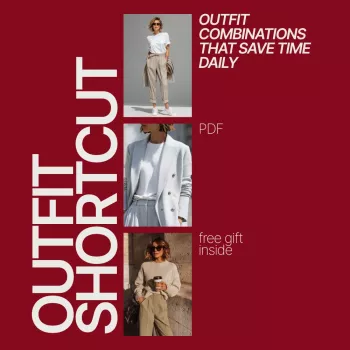
- Your Daily Outfit Shortcut: Time-Saving Outfit Combinations for Effortless Style (a quick way to lock in repeatable outfit formulas you can rotate all week).
- Waterproof Anti-Theft Laptop Backpack with USB Charging Port – Fits 15.6″ Laptop (a practical add-on if your checklist regularly includes “carry a laptop + walk/commute,” so outfits can be built around real daily needs).
FAQ
What should be included in a smart style checklist for daily outfit suggestions?
Include weather, occasion/day type, comfort rules, a color lane, an optional hero item, and practical needs like walking time, layering, and bag requirements. Clear inputs help outfit suggestions stay wearable and cohesive.
Do AI outfit suggestions work if the closet is small?
Yes—AI can work extremely well with 10–25 core pieces because it can recombine them using outfit formulas and controlled variety. Rotating one weekly hero item (like a shoe or jacket) also keeps outfits from feeling repetitive.
How do outfit suggestions stay consistent with a personal style?
Use 2–3 style words, a defined color palette, and a short list of “never” rules so suggestions stay in your lane. Save the outfits you actually wore and liked, then reuse them as templates for faster, more consistent results.











Leave a comment