Men’s Swim Shorts: How to Find a Comfortable Pair
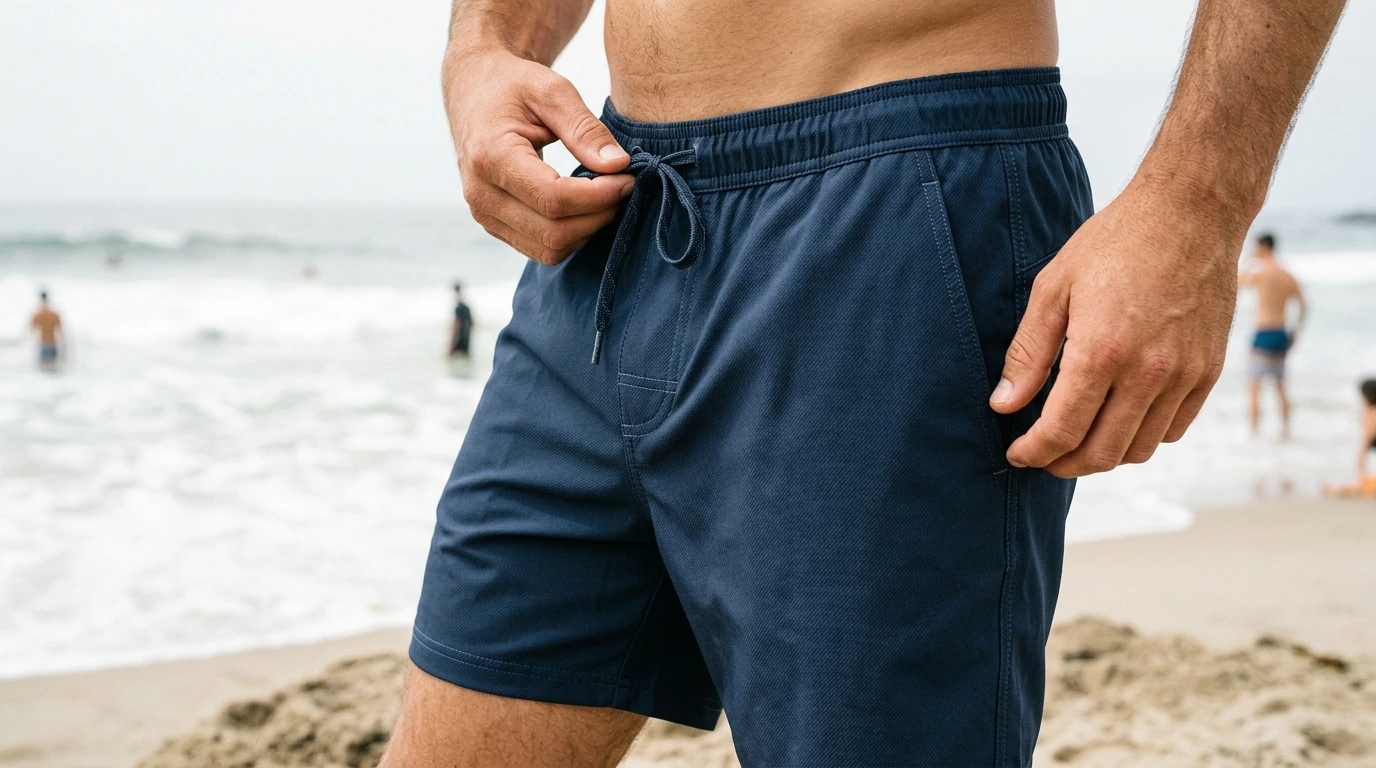
What are the most comfortable swim shorts for men?
The most comfortable swim shorts are lightweight, quick-drying, and easy to move in. A soft waistband, a secure drawstring, and a liner that doesn’t rub can make a noticeable difference, whether you’re swimming laps or spending the day at the beach. The best choice depends on your preferred fit and how you plan to wear them.
Look for a comfortable liner
Many swim shorts have a mesh brief liner for support, but the feel varies by fabric, cut, and construction. Choose a liner that sits smoothly against your skin without bunching or feeling restrictive. If mesh tends to chafe, consider a pair with a softer liner or a swim-trunk style you can wear with comfortable swim underwear.
Choose a fit that allows movement
A comfortable pair should stay in place without squeezing your waist or thighs. An elastic waistband with an adjustable drawstring helps you fine-tune the fit, especially when the shorts get wet. For swimming and active beach days, look for a cut that leaves room to kick, bend, and walk. Shorts that are too long or baggy can feel cumbersome in the water, while a very snug fit may limit movement.
Pay attention to fabric and details
Lightweight polyester and nylon blends are common because they dry relatively quickly and hold up well to regular wear. Check for smooth seams, a soft waistband, and pockets that drain rather than trap water. A secure back pocket can be handy on shore, but fewer or lighter pockets may feel better while swimming. If possible, try the shorts on and move around before buying; comfort is as much about how they feel on your body as the material listed on the tag.
Match the shorts to your plans
For frequent swimming, prioritize a secure fit, quick-drying fabric, and minimal bulk. For lounging or casual summer wear, you may prefer a roomier cut with useful pockets. If you’re considering a specific look, read our guide to Nike men’s light blue swim shorts, including fit, care, and styling tips.
FAQ
How should men’s swim shorts fit?
They should feel secure at the waist without pinching, and allow you to move your legs freely. The hem can vary by preference, but the shorts shouldn’t feel heavy or restrictive when wet.














Leave a comment