Metal Bed Frame Downsides: Noise, Wobble, Floor Scuffs
What are the downsides of using a metal bed?
Metal bed frames can be a smart pick for a clean, modern look, but they aren’t a perfect fit for every bedroom or sleeper. A few common drawbacks show up over time—especially if the frame is lightweight, assembled loosely, or placed on hard flooring.
Noise and movement transfer
One of the most frequent complaints is squeaking or rattling. Metal joints can loosen with regular use, and small shifts may create noise when you roll over or get in and out of bed. Metal frames can also transmit motion more than heavier wooden options, which may matter if you share the bed.
Cold, hard feel and comfort limitations
Metal frames can feel colder to the touch, and some designs have thin rails or crossbars that don’t provide the same “solid” feel as sturdier builds. If the support system is minimal, your mattress may not sit as evenly, which can affect comfort and long-term wear.
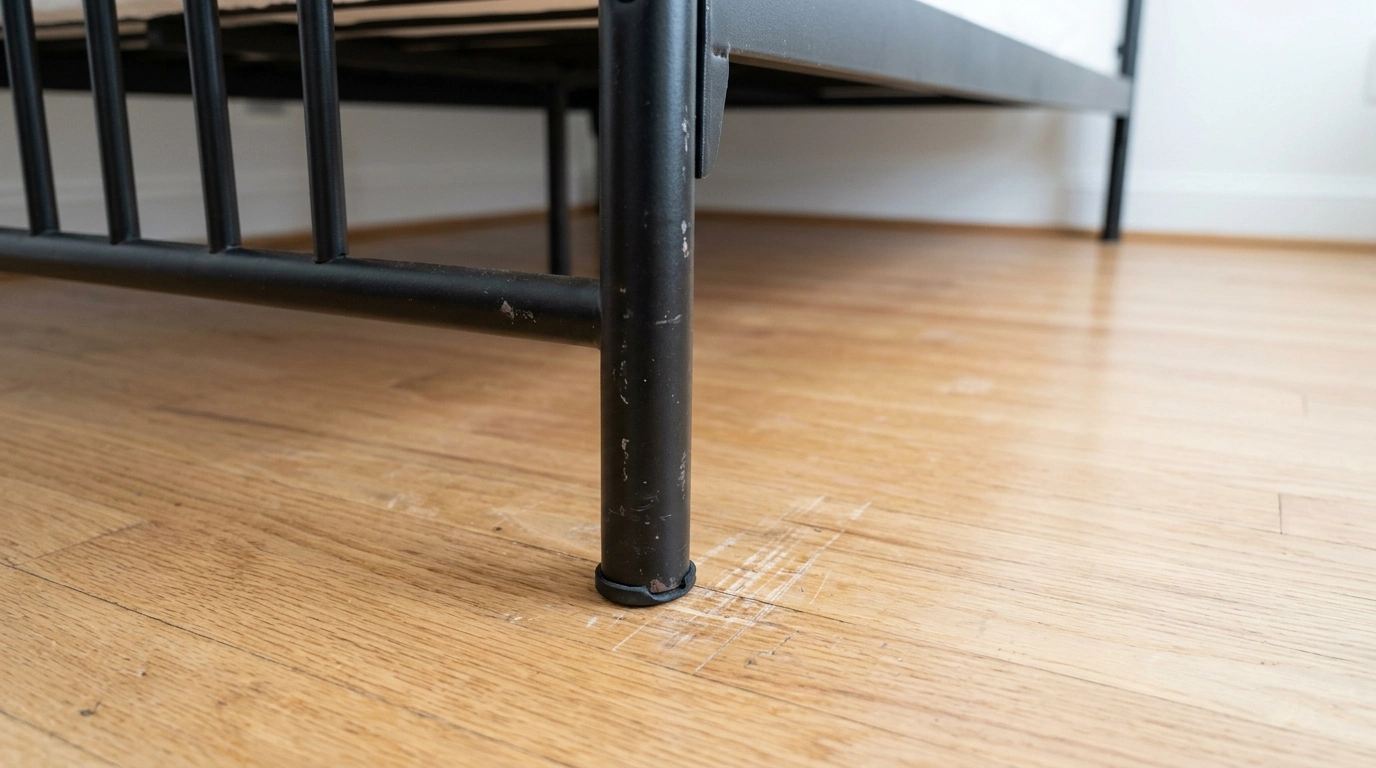
Floor scuffs and stability concerns
On wood, vinyl, or tile floors, metal legs can slide or leave marks without proper pads. Some taller or lighter metal frames may wobble if the floor isn’t level, or if the frame relies on fewer contact points.
Durability depends heavily on construction
While metal can be strong, not all metal beds are made the same. Thin-gauge steel, weaker welds, or low-quality fasteners can bend, strip, or loosen—especially under higher weight loads or frequent moves.
For a deeper look at real-world tradeoffs and what to watch for before buying, read the full guide here: https://spiritine.com/what-are-the-downsides-of-using-a-metal-bed/.
For Metal Bed Frame Downsides: Noise, Wobble, Floor Scuffs, the best answer depends on fit, material, care instructions, and how the product will be used day to day.
FAQ
Do metal bed frames scratch floors?
They can, especially on hardwood or laminate. Using rubber or felt pads under each leg and checking that all feet are level helps prevent scuffs and sliding.

















Leave a comment