Do Anti-Theft Backpacks Work? Features, Limits, Tips
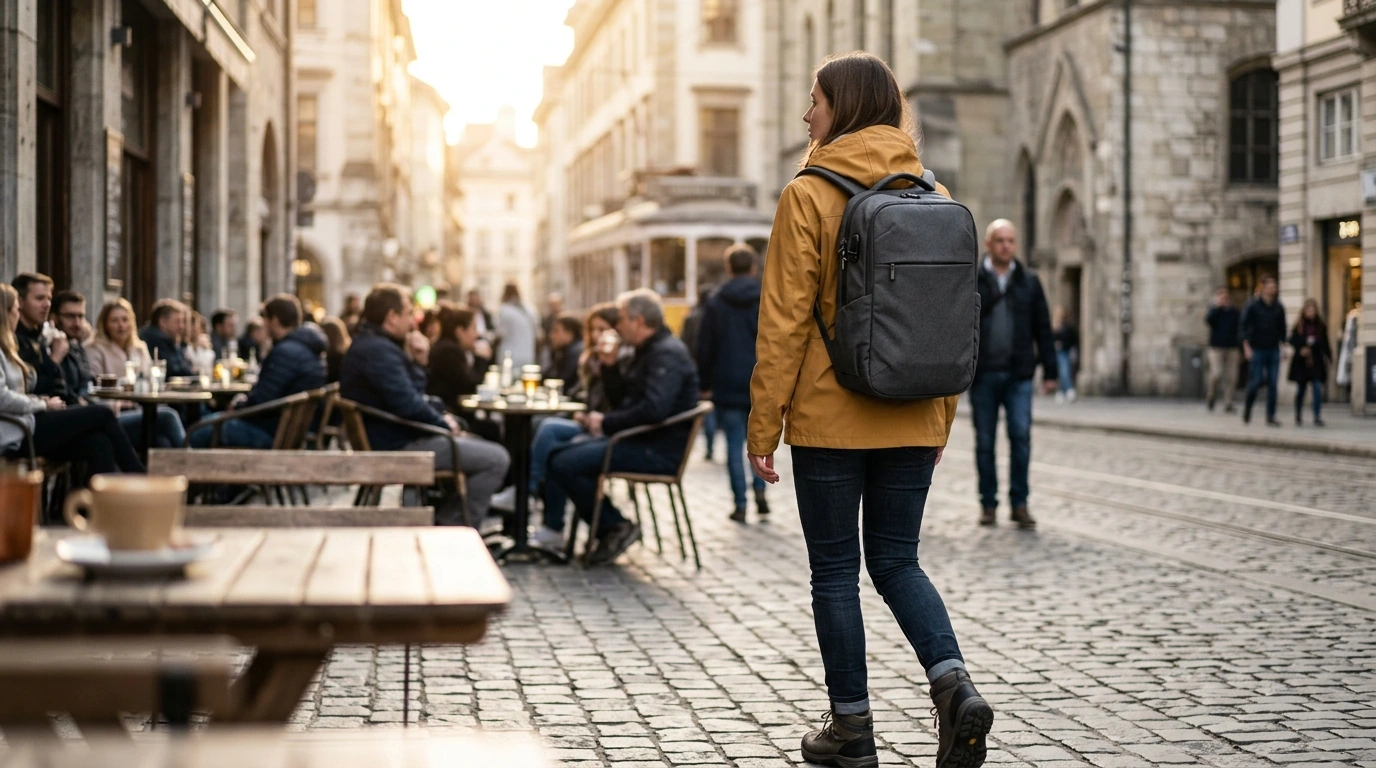
Do anti-theft backpacks really work?
Anti-theft backpacks can work well, but they’re not magic. They’re designed to reduce common “opportunity theft” in crowded places—like someone unzipping a pocket on a subway, reaching into an open tote at a café, or slipping a hand into an exterior compartment while you’re distracted. When a bag makes those quick moves harder, thieves often move on to an easier target.
The most effective anti-theft backpacks combine several deterrents: hidden or rear-facing zippers, slash-resistant panels or straps, lockable zipper pulls, RFID-blocking pockets for cards, and sturdy construction that doesn’t sag open. These features don’t make theft impossible, but they add time, noise, and awkwardness—exactly what pickpockets try to avoid.
What anti-theft backpacks protect against (and what they don’t)
They’re best at stopping casual pickpocketing and “bag dipping” in lines, transit, tourist zones, and festivals. They’re less effective against determined thieves who can cut straps quickly, grab the entire bag in a snatch-and-run, or exploit moments when the bag is off your body (like hanging on a chair). Even with anti-theft features, leaving a backpack unattended is still the fastest way to lose it.
How to get the most protection from an anti-theft backpack
Fit and habits matter as much as features. Keep the zippers fully closed, wear it on both shoulders in crowds, and rotate it to the front in tight spaces. Store high-value items (passport, wallet, phone) in interior pockets close to your back, and avoid exterior “quick access” pockets for anything you can’t afford to lose.
For a deeper breakdown of the most useful features and real-world scenarios, see the full guide here: https://spiritine.com/do-anti-theft-backpacks-really-work/.
FAQ
What features should I look for in an anti-theft backpack?
Prioritize hidden zippers, lockable pulls, slash-resistant straps/materials, and a tight-to-back main compartment. An internal organization panel also helps keep essentials buried and harder to access.
















Leave a comment