Is Facial IPL Worth It? Results, Value, and Fit
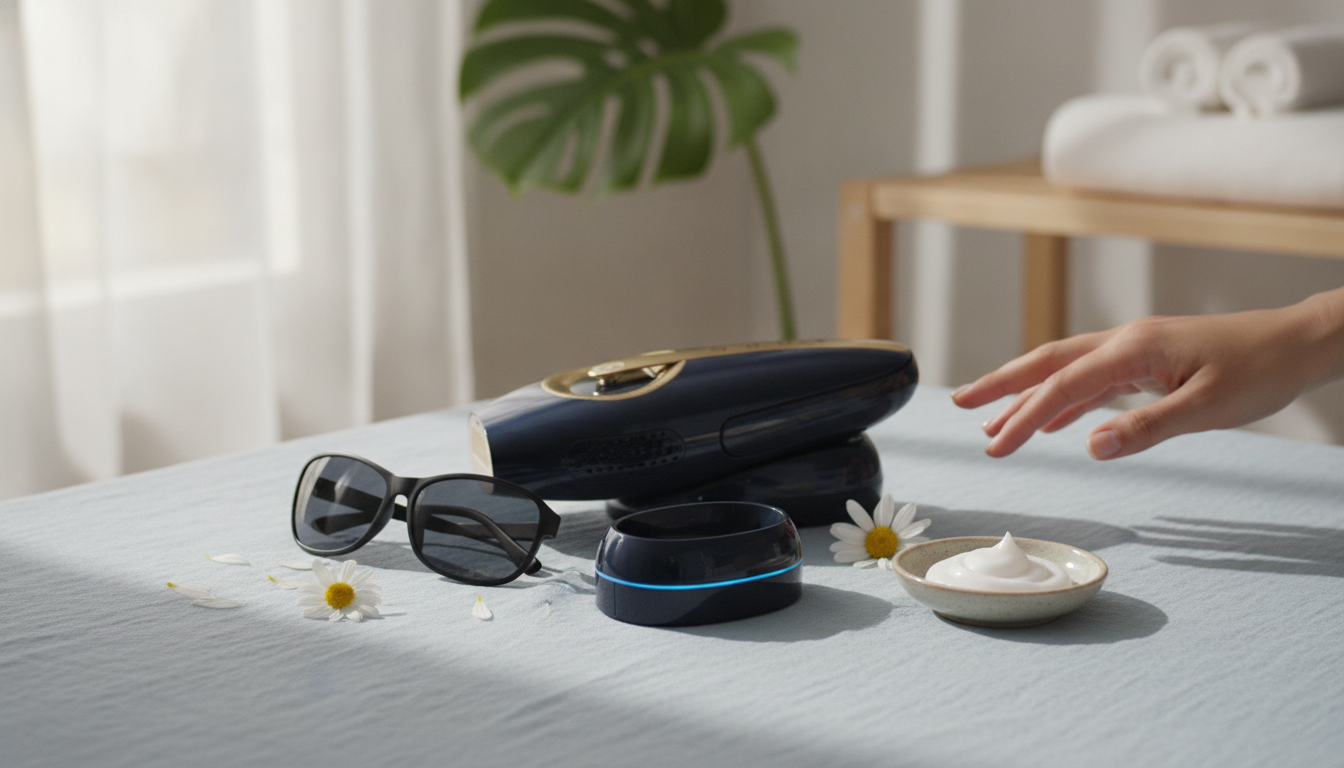
Is IPL on face worth it?
For many people, IPL on the face is worth it if the goal is fewer touch-ups between shaving, less visible regrowth, and a smoother look over time. At-home IPL devices can reduce hair gradually by targeting pigment in the hair, which can be especially appealing for areas like the upper lip, chin, cheeks (hairline), and jawline where frequent removal can feel never-ending.
That said, “worth it” depends on whether you’re a good match for IPL and whether expectations are realistic. Results are typically progressive, requiring consistent sessions for several weeks, followed by maintenance. It’s not an instant, one-and-done fix.
When facial IPL tends to be a good value
Facial IPL can pay off when facial hair is dark enough for the light to “see,” and the surrounding skin is light-to-medium. If shaving causes irritation or makeup sits poorly on stubble, the cumulative reduction from IPL can be a meaningful upgrade. It can also be cost-effective compared with repeated salon appointments, especially if the device will be used on both face and body.
When it may not be worth it
IPL usually performs best on dark hair and lighter skin tones; it’s typically less effective on very light blond, red, gray, or white hair. It can also be unsuitable for deeper skin tones depending on the device and settings. Facial skin is more reactive than legs or arms, so sensitivity, temporary redness, and strict sun-avoidance can make the commitment feel high.
It’s also not ideal for anyone who can’t stick to a schedule. Skipping treatments often slows progress, which can make the investment feel disappointing.
How to decide before buying
Check the device’s skin tone and hair color chart, confirm it’s cleared for facial use, and plan for a patch test. If you want a deeper walkthrough on choosing and using a device safely across areas (including face), see this portable IPL hair removal guide.
FAQ
How long does IPL take to work on the face?
Many users notice slower regrowth after a few weeks, with more visible reduction after consistent treatments over 8–12 weeks. Maintenance sessions are usually needed to keep results steady.















Leave a comment