Parents Controlling Kids’ Social Media: Safety & Boundaries
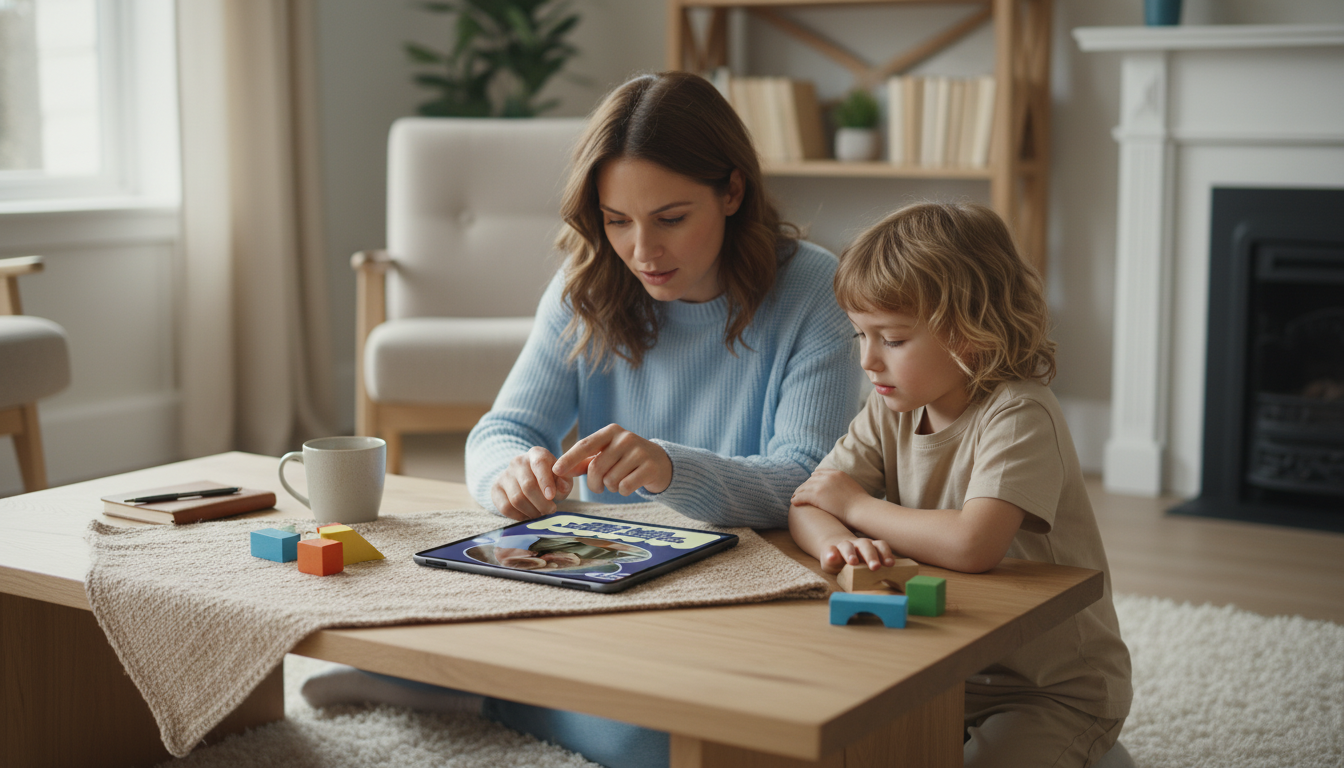
Why should parents have control over their child’s social media?
Parents should have control over a child’s social media because kids are still developing judgment, impulse control, and a realistic understanding of risk. Social platforms are built to encourage constant sharing and nonstop scrolling, which can expose children to inappropriate content, manipulation, and unhealthy comparisons long before they’re ready to handle it.
Supervision also helps protect a child’s privacy and safety. Location tags, public profiles, and direct messages can make it easy for strangers to gather personal details, contact a child, or pressure them into sharing more. With parental control—like private accounts, message restrictions, and approval for new followers—families can reduce those risks while still allowing age-appropriate connection with friends.
Another key reason is mental and emotional well-being. Social media can intensify anxiety, sleep disruption, and low self-esteem, especially when kids tie their identity to likes, comments, or popularity. Parents who set boundaries around screen time, curate what’s followed, and check in on how content makes a child feel can prevent small issues from becoming bigger ones.
Control doesn’t have to mean spying or constant punishment. The healthiest approach is a clear family plan: agreed-upon rules, consistent consequences, and regular conversations about what’s okay to post, how to respond to unwanted messages, and when to take breaks. For practical ways to keep these talks calm and productive, see this parent guide to calm social media talks with kids.
FAQ
Why should children not have access to social media?
Many children aren’t ready for the pressure, advertising tactics, and adult content that can appear even on “safe” feeds. Limiting access reduces exposure to strangers, oversharing, and mental-health stressors tied to comparison and validation.
What should parents do to prevent their children from not being addicted to social media?
Set firm daily time limits, keep devices out of bedrooms at night, and schedule regular screen-free activities. Use built-in parental controls, model healthy phone habits, and make check-ins routine so problems are addressed early.

















Leave a comment