Triple Bunk Beds: Styles, Safety, and Ceiling Height

Do triple bunk beds exist?
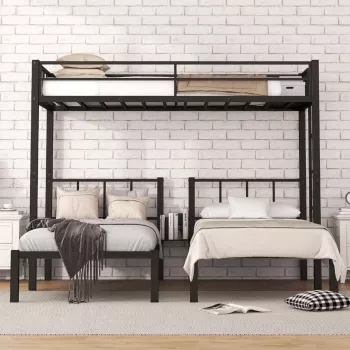
Yes—triple bunk beds exist, and they’re made in a few practical styles to fit different rooms and age groups. The most straightforward version is a true “stacked” triple bunk: three beds vertically aligned in a single frame. You’ll also see configurations that function like triple bunks without being three-high, such as an L-shaped design (two bunks stacked with a third bed perpendicular) or a bunk-over-bunk with a trundle that rolls out from underneath.
What types of triple bunk beds are available?
Three-high stacked models maximize floor space but typically require higher ceilings and careful attention to guardrails and ladder access. L-shaped triple bunks can feel less towering, often improving headroom and making the top bunk less intimidating. Bunk + trundle options are popular for sleepovers because the third bed can be tucked away when not needed, keeping the room more open day to day.
Are triple bunk beds safe and practical?
They can be, as long as the design matches the room and the sleepers. Look for full-length guardrails on upper levels, a stable ladder or stair system, and a weight rating that fits who will use each bunk. Ceiling height matters, especially for the top bunk—comfortable sitting space reduces bumps and makes the bed easier to use.
Mattress thickness is another practical detail: many triple bunks require thinner mattresses so guardrails remain effective and users have adequate headroom. Assembly quality, wall clearance, and regular hardware checks also help keep a tall bed secure.
Where can you learn more before buying?
For a deeper look at common triple-bunk layouts, sizing considerations, and what to check before purchasing, read the full guide here: https://spiritine.com/do-triple-bunk-beds-exist/.
FAQ
What ceiling height do you need for a triple bunk bed?
Aim for enough clearance so the top sleeper can sit up comfortably without hitting the ceiling; higher ceilings are generally better for stacked triple bunks. Always compare the bed’s assembled height to your room height and allow extra space above the top mattress.
















Leave a comment