Dad Burnout: Signs, Feelings, and What Helps
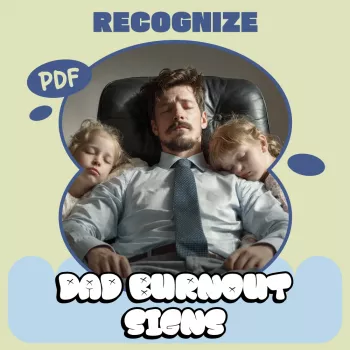
What does burnout feel like as a dad?
Dad burnout often feels like running on fumes while still being “on” for everyone else. It’s not just being tired after a long day—it’s a deeper sense of emotional depletion, low patience, and feeling like even small tasks require outsized effort. Many dads describe it as living in a constant state of catch-up, where rest never fully restores them.
It can show up as irritability or snapping over minor things, a shorter fuse with kids, or feeling numb and disconnected during moments that used to feel meaningful. Some dads also experience a heavy mental load: racing thoughts, guilt about not doing enough, or a persistent sense of failing at work and at home at the same time.
Common physical and emotional signs
Burnout can look like chronic fatigue, headaches, stomach issues, trouble sleeping, or relying more on caffeine, alcohol, or late-night scrolling just to “decompress.” Emotionally, it may feel like anxiety, low mood, resentment, or a loss of motivation. You might also notice you’re withdrawing—spending less time talking to your partner, avoiding friends, or going quiet to prevent another argument.
How it can affect relationships and parenting
When burnout builds, patience drops and connection gets harder. Dads may become more controlling, more avoidant, or more reactive—none of which feels good afterward. Over time, this can strain co-parenting, reduce affection, and make home feel like another job shift instead of a place to recover.
What helps
Small, consistent changes tend to work better than a one-time “break.” That can mean protecting sleep, asking for specific help (not just “I’m stressed”), scheduling non-negotiable recharge time, and talking to a therapist or doctor if symptoms are persistent. For a deeper look at what dad burnout can feel like and practical ways to respond, visit the full guide here.
FAQ
How do I know if I’m burned out or just tired?
Being tired usually improves with rest; burnout tends to linger and comes with emotional exhaustion, irritability, and feeling detached or ineffective. If a weekend off doesn’t help and symptoms keep returning, burnout is more likely.















Leave a comment