Jil Sander Alpaca & Wool Short Coat: Fit, Style, Care
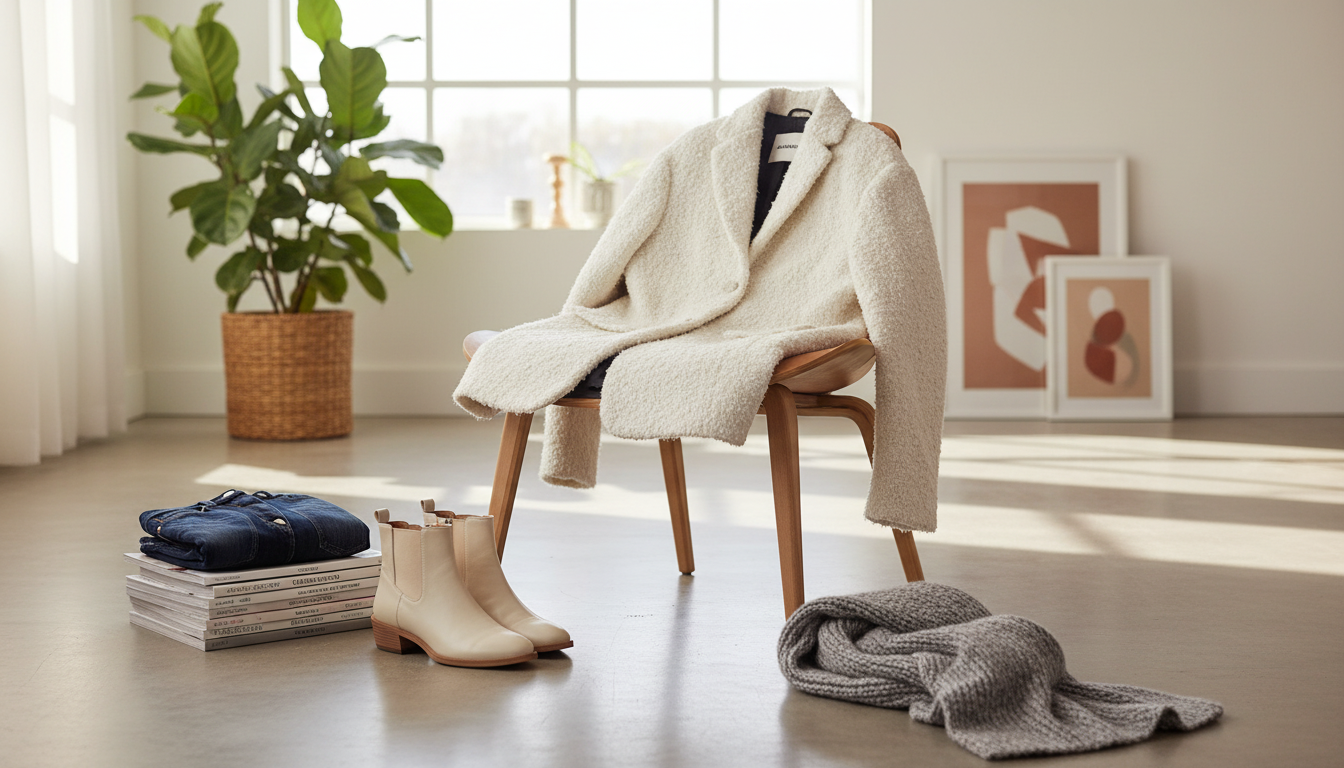
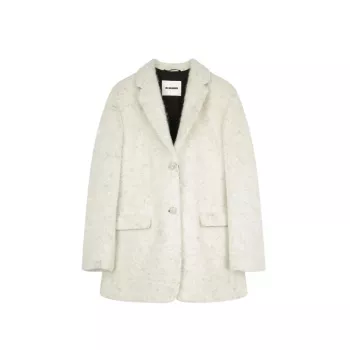
A short coat in an alpaca-and-wool blend brings warmth without bulk, with a refined silhouette that transitions easily from weekday tailoring to off-duty layers. This guide covers what to look for in fabric feel and structure, how to style a short coat for different settings, and how to care for alpaca/wool so it keeps its shape season after season.
At a Glance
- Warmth-to-weight: alpaca lends loft and softness; wool adds resilience and structure.
- Short length benefits: easier movement, flattering proportions with high-rise trousers and skirts, and less hem exposure to rain/snow.
- Best use cases: commuting, smart-casual dinners, travel days, and layered winter looks without a full-length coat.
- Considerations before buying: sizing for layering, preferred closure style, and climate needs (windy vs. dry cold).
Quick Product Snapshot
| Item | Details |
|---|---|
| Product | Jil Sander Alpaca and Wool Short Coat |
| Price | 1297.89 USD |
| Availability | In stock |
| Condition | New |
| Category fit | Short coat (layering-friendly outerwear) |
Fabric Feel and Warmth: Alpaca + Wool
- Softness and drape: alpaca fibers are often perceived as smoother against the skin than many wools, which can translate to a cleaner drape in outerwear.
- Insulation: the blend is typically warm for its weight, making it suitable for layering without feeling heavy.
- Structure: wool commonly helps garments hold shape and resist bagging at elbows and along hems.
- Texture and finish: depending on the weave and brushing, the surface can read crisp and tailored or more plush and cozy—choose based on whether the goal is sharp minimalism or relaxed softness.
- Comfort tip: if sensitive to itch, plan to wear long sleeves or a light knit layer; sensitivity varies by individual and by finishing.
For everyday wear, the big advantage of an alpaca/wool blend is its “warmth without weight” character: it can feel substantial enough for cold mornings, yet still easy to carry indoors or pack for a trip. If you’re comparing coats online, zoom in on the surface—smooth, tight-looking fibers often read more tailored, while a slightly fuzzed finish tends to look softer and more relaxed.
Fit and Silhouette: Getting the Proportions Right
- Shoulders: aim for clean shoulder alignment; a slight ease can improve layering while still looking polished.
- Sleeves: check sleeve length with arms relaxed; ensure room for a knit underneath without pulling at the bicep.
- Body ease: a short coat looks best when it skims rather than clings—consider extra room if regularly worn over blazers or thick sweaters.
- Length styling: pairs naturally with high-rise trousers, straight-leg jeans, midi skirts, and tailored shorts with tights in cooler months.
- Movement test: simulate reaching forward and sitting; the front should not ride up excessively or strain across the back.
Styling Ideas for a Minimal, Modern Wardrobe
For a streamlined wardrobe, a short coat functions like an outfit “topper” that doesn’t fight the proportions of high-rise bottoms. To build quick combinations on busy mornings, keep the base outfit column simple (one or two tones), then let the coat provide clean structure. If you like repeatable formulas, Your Daily Outfit Shortcut: Time-Saving Outfit Combinations for Effortless Style is a handy companion for planning minimal, mix-and-match looks that work with short outerwear.
Care and Longevity: Keeping Alpaca/Wool Looking New
Care Quick Reference
| Situation | What to Do | What to Avoid |
|---|---|---|
| Light surface dirt | Brush and spot-clean with a damp cloth | Scrubbing aggressively or saturating the fabric |
| Odor from wear | Air out overnight in a ventilated area | Spraying heavy fragrance directly on fibers |
| Pilling at cuffs/side seams | Use a fabric comb/depiller with gentle passes | Pulling pills by hand (can damage yarns) |
| End-of-season storage | Clean first, then store on a wide hanger with moth protection | Plastic bags that trap moisture |
When it comes to natural fibers, consistent low-effort maintenance pays off more than frequent deep cleaning. Brushing after wear helps keep the surface looking crisp, especially around cuffs and pockets where friction happens. For authoritative care guidance, consult The Woolmark Company’s wool care resources, and for label standards and symbols, reference the FTC’s Care Labeling Rule.
When a Short Coat Is the Right Choice (and When It Isn’t)
Purchase Details
Related, in-stock picks for a polished routine
- Jil Sander Alpaca and Wool Short Coat — a refined, layering-friendly outerwear option for a minimal closet.
- Your Daily Outfit Shortcut: Time-Saving Outfit Combinations for Effortless Style — outfit formulas that pair well with structured short coats.
- Waterproof Anti-Theft Laptop Backpack with USB Charging Port – Fits 15.6″ Laptop — a sleek add-on for commuting and travel days when hands-free matters.
FAQ
Is an alpaca and wool blend warm enough for winter?
Often, yes—alpaca and wool are typically warm for their weight, especially when you add a knit layer underneath. In windy conditions or long outdoor exposure, warmth depends heavily on layering and coverage, so a scarf, insulated mid-layer, or longer coat can help.
How should an alpaca and wool short coat fit if it will be layered over sweaters?
Look for clean shoulder alignment with enough ease through the chest, upper back, and biceps to accommodate a sweater without pulling. Try a simple movement test (reach forward, sit, and button/close it) to confirm it won’t strain or ride up.
Can an alpaca and wool coat be washed at home?
Follow the care label—many coats are designed for professional dry cleaning to protect shape and finish. For routine upkeep, airing out, gentle brushing, and spot-cleaning can reduce how often full cleaning is needed.













Leave a comment