How Schools Prevent Bullying: Policies, SEL, and Support
How are schools trying to stop bullying?
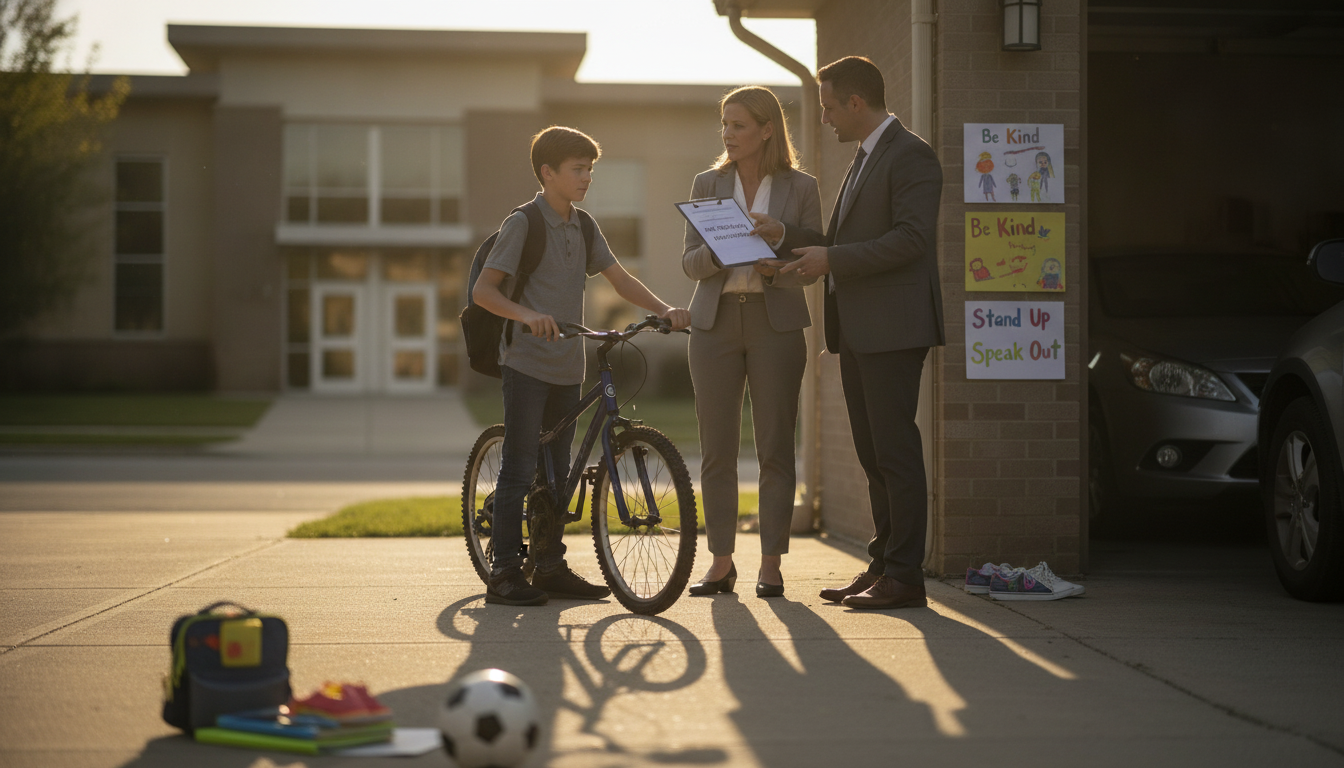
Schools are tackling bullying with a mix of prevention, clear consequences, student support, and culture-building. Instead of relying on a single assembly or poster campaign, many districts use layered approaches that address behavior in classrooms, hallways, buses, online spaces, and after-school activities.
Setting clear rules and consistent consequences
Most schools start by defining bullying (including cyberbullying) in student handbooks and district policies, then outlining what happens when it’s reported. Consistency matters: when adults respond the same way across classrooms and grade levels, students are more likely to report issues and less likely to assume nothing will change.
Training staff to recognize and respond early
Teachers, aides, coaches, and bus drivers often receive training on spotting subtle bullying, interrupting it safely, and documenting incidents. Early intervention—addressing name-calling, exclusion, and repeated “jokes” before they escalate—can prevent patterns from becoming entrenched.
Teaching social-emotional skills and positive behavior
Many schools use social-emotional learning (SEL) lessons and positive behavior programs to build empathy, self-control, and conflict-resolution skills. When students learn how to manage anger, communicate boundaries, and include others, bullying tends to drop and classroom climate improves.
Making reporting easier and safer
Anonymous reporting tools, trusted-adult systems, and simple online forms can remove barriers to speaking up. Schools also work to protect students from retaliation by separating students when needed, increasing supervision in hotspots, and checking in regularly with targets and bystanders.
Supporting students involved on all sides
Effective anti-bullying efforts don’t only punish; they support. Targets may receive counseling, safety plans, and academic accommodations. Students who bully may be referred to counseling, skill-building interventions, and family meetings that focus on changing behavior long-term.
For a deeper breakdown of common school strategies and how they work together, read the full guide here: https://spiritine.com/how-are-schools-trying-to-stop-bullying/.
FAQ
What should a parent do if their child is being bullied?
Document what’s happening, report it to the school in writing, and ask what specific steps will be taken to keep your child safe. Follow up for updates and request a plan that includes supervision changes, check-ins, and support services.
















Leave a comment