Minimal Makeup Look: 5-Minute Routine for Everyday Glow
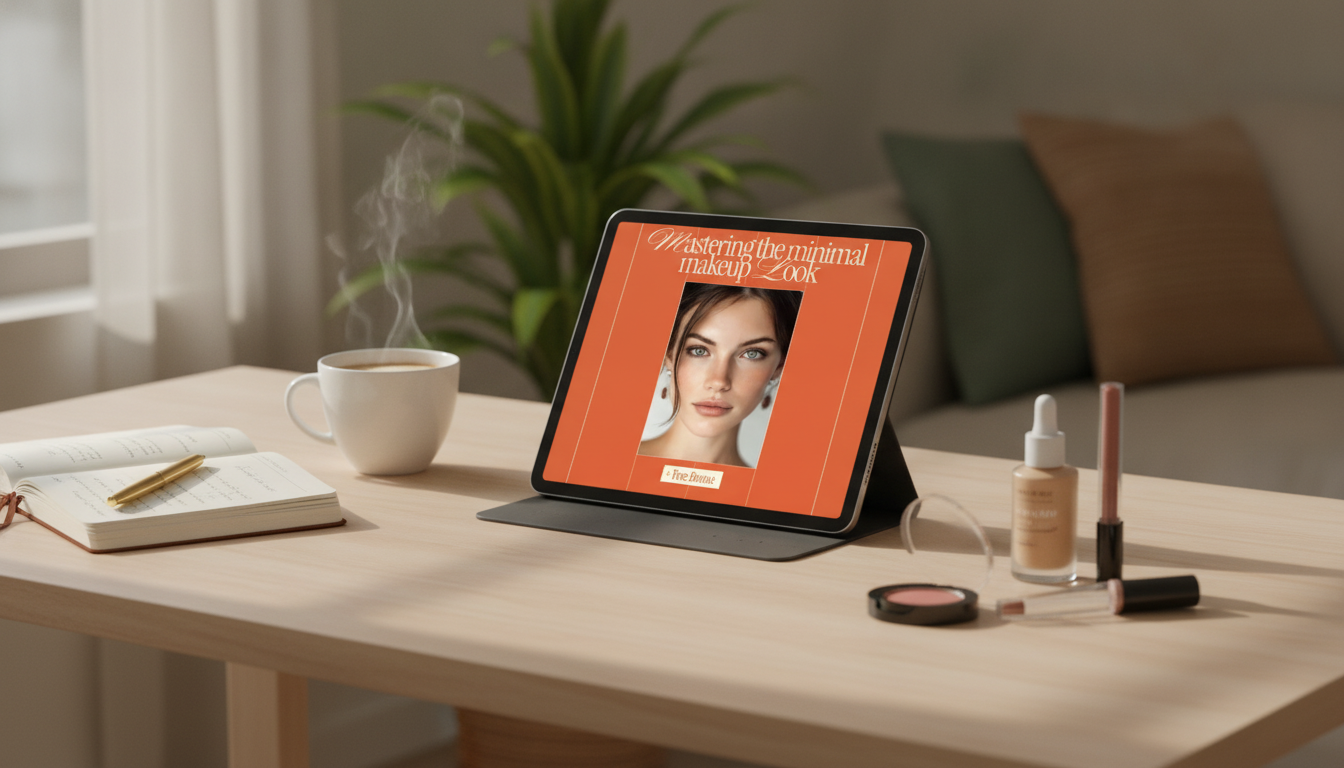
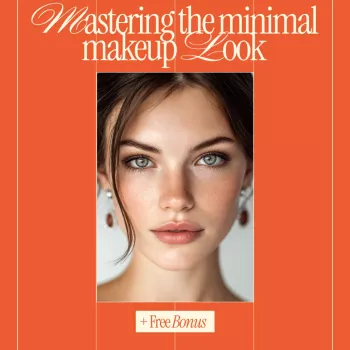
Mastering the Minimal Makeup Look: A Simple Routine for an Everyday Glow
A minimal makeup look is about evening out the complexion, softly defining features, and keeping skin texture visible—so the result reads fresh, polished, and effortless. The goal isn’t more product; it’s better placement, lighter layers, and a routine you can repeat without overthinking.
What “minimal” makeup actually means
Minimal makeup isn’t “nothing.” It’s a short list of high-impact steps that make you look more awake and even-toned while still looking like yourself.
- Focus on a few high-impact areas: skin tone, brows, lashes, and a touch of color.
- Choose lighter textures that blend with fingers or a small brush for speed and a natural finish.
- Keep contrast low: match undertones, soften edges, and avoid harsh lines.
- Aim for “your skin, but more even” rather than full coverage.
Prep that makes everything look better (and last longer)
When skin is comfortably hydrated and protected, base products sit smoother and require less coverage. Give skincare a couple minutes to settle so makeup doesn’t slide around on top.
- Cleanse and moisturize; let skincare absorb for 2–5 minutes before makeup.
- Use sunscreen daily; a dewy formula can double as a glow base.
- Add primer only where needed: T-zone for oil control, cheeks for smoothing, under-eyes for grip.
- Lip prep counts: a thin balm layer prevents patchy tint or lipstick.
Daily sun protection matters year-round. For practical guidance on choosing and using sunscreen, see the American Academy of Dermatology Association: Sunscreen FAQs.
Two-minute prep checklist
| Step | What to use | Where | Why it helps |
|---|---|---|---|
| Moisturize | Light moisturizer | All over | Prevents patchiness and tightness |
| Protect | Broad-spectrum SPF | Face + neck | Daily sun protection and smoother finish |
| Target prime (optional) | Blurring or gripping primer | T-zone / under-eyes | Controls shine and reduces creasing |
| Lip prep | Balm (thin layer) | Lips | Smoother tint application |
Step-by-step minimal base: even, not masked
The easiest way to keep a base looking like skin is to start sheer and only add coverage where it’s truly needed. Think “edit,” not “paint.”
- Start with sheer coverage: tinted moisturizer, skin tint, or a thin layer of foundation mixed with moisturizer.
- Spot-conceal only where needed (under-eye inner corner, around nose, blemishes) and blend edges outward.
- Set strategically: press a small amount of powder on the T-zone; keep cheeks mostly unset for a skin-like glow.
- For redness, tap a tiny amount of corrector first; let it dry slightly before concealer.
If you’re unsure how much is “too much,” apply half of what you think you need first, then step back. Minimal makeup usually looks best when the product disappears at the edges—especially around the nose and jawline.
Soft structure: brows, lashes, and subtle definition
A little structure makes the whole face look more “done,” even if the base is barely there. This is where minimal routines get their polished effect without adding heavy color.
- Brush brows up and out; fill only sparse areas with short, hair-like strokes.
- Choose a tinted brow gel for the quickest “done” effect.
- Curl lashes for instant lift; one coat of mascara is usually enough for a minimal look.
- Skip heavy liner; instead, smudge a neutral shadow at the lash line for depth without harshness.
For everyday shades, choose soft browns, taupes, and bronzy neutrals that blend out easily. The edge should look diffused, not drawn.
Everyday glow: blush, bronzer, and highlight without sparkle overload
The “glow” in minimal makeup usually comes from healthy-looking skin and a natural flush—not obvious shimmer. Cream and liquid formulas help because they melt into the base instead of sitting on top.
- Pick cream or liquid cheek color for a natural flush; tap on high points of cheeks and blend toward temples.
- Add warmth lightly with a soft bronzer where sun naturally hits: perimeter of forehead, bridge of nose, tops of cheeks.
- Use a balmy highlight (or skip) and focus on “healthy sheen” rather than glitter.
- Balance is key: if cheeks are bright, keep lips and eyes quieter.
The five-minute routine and quick fixes
Minimal makeup routine: fast vs. polished
| Goal | Time | Must-do steps | Optional upgrades |
|---|---|---|---|
| Quick fresh face | 3–5 min | Skin tint, brows, blush, mascara, lip balm/tint | Powder only on T-zone |
| Everyday polished | 7–10 min | Skin tint, spot concealer, brows, blush/bronzer, mascara | Soft lash-line shadow, subtle highlight |
| Long-wear day | 10–12 min | Targeted primer, thin base, strategic set, long-wear mascara | Setting spray, lip stain + balm |
A simple digital guide to keep the routine consistent
- Look for clear shade guidance, placement diagrams, and product-type alternatives (cream vs. powder) to match skin needs.
- A good routine guide includes troubleshooting for texture, creasing, and midday touch-ups.
- For a structured, step-by-step routine with an everyday glow checklist, use: Mastering the Minimal Makeup Look – Digital Beauty Guide, Minimal Makeup Tutorial, Natural Makeup eBook, Everyday Glow Checklist.
To make the whole “getting ready” process even faster, pair your streamlined makeup with a ready-to-go wardrobe plan like Your Daily Outfit Shortcut: Time-Saving Outfit Combinations for Effortless Style.
For general consumer information on cosmetics and how products are regulated, visit the U.S. Food & Drug Administration: Cosmetics page.
FAQ
How can a minimal makeup look last all day without getting shiny?
Use a thin base, set only the T-zone, and blot before adding more powder so you don’t build heaviness. A targeted primer can help in oily areas, and a light setting spray can add longevity without masking skin.
What’s the difference between a natural look and a no-makeup makeup look?
Both keep skin looking real, but no-makeup makeup is usually more precise—spot concealing, subtle brow shaping, and soft definition that still reads “effortless.” A natural look can be even simpler, sometimes focusing mainly on skin finish and a hint of color.











Leave a comment