Pack Less, Wear More: Trip Outfit Planning Guide
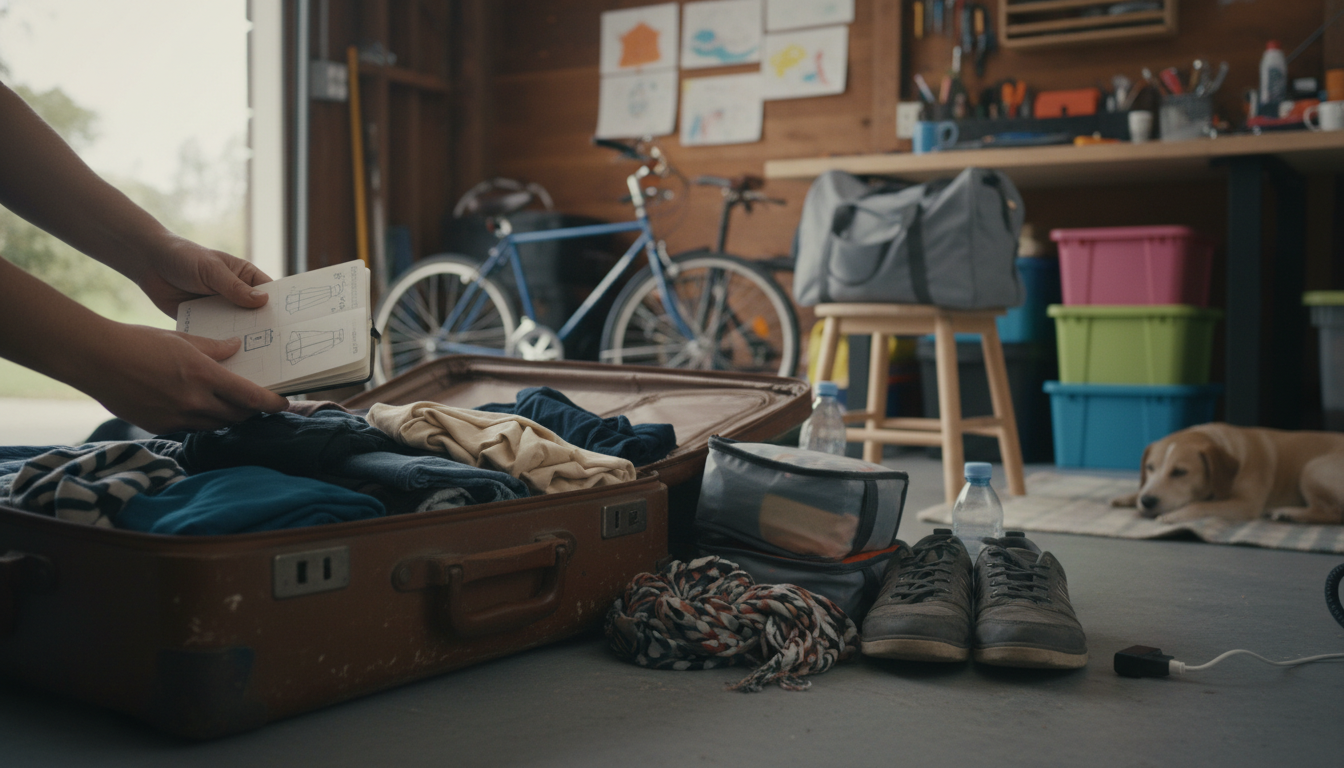
What’s the best way to plan outfits for a trip so I pack fewer items but have more looks?
Answer
The simplest way to pack less and wear more outfits is to plan around a small “mix-and-match” capsule: a tight color palette, a few versatile layers, and bottoms that work with every top. Start by checking your trip details (weather, activities, dress codes) and choose 2–3 base colors plus 1 accent. This makes almost everything compatible, so you can swap pieces without needing extra items.
Next, build outfits from the bottom up. Pick 2–3 bottoms that cover your needs (for example: dark jeans, tailored pants, a skirt/shorts) and make sure each bottom pairs with every top you bring. Aim for 4–6 tops with different sleeve lengths or necklines to create variety without bulk. Add 1–2 lightweight layers (a blazer, denim jacket, cardigan, or packable rain shell) that instantly change the vibe and handle temperature swings.
Use “outfit math” before you zip your bag: if you pack 3 bottoms and 5 tops that all coordinate, you already have 15 combinations—before adding layers, accessories, or shoes. Accessories do the heavy lifting for new looks: a scarf, statement earrings, belt, or hat can make the same base outfit feel completely different day to night. Keep shoes streamlined (typically two pairs): one comfortable walking option and one slightly dressier pair that still works for multiple outfits.
Finally, pre-plan your outfits in a quick grid (Day 1–Day X) and leave 1 “flex” outfit for surprises. If an item can’t be worn at least 2–3 times or can’t pair with most of your capsule, it’s usually the first thing to cut.
For a deeper checklist and examples you can follow, visit the full guide here.
FAQ
How many shoes should I pack for a week-long trip?
Two pairs is usually enough: one comfortable walking shoe and one versatile “dressier” option. Add a third pair only if you have a specific activity that truly requires it (like hiking boots or formal heels).














Leave a comment